Economic Evaluations
Using health-economic methods to determine which technologies, treatments, and care strategies deliver meaningful value in practice.

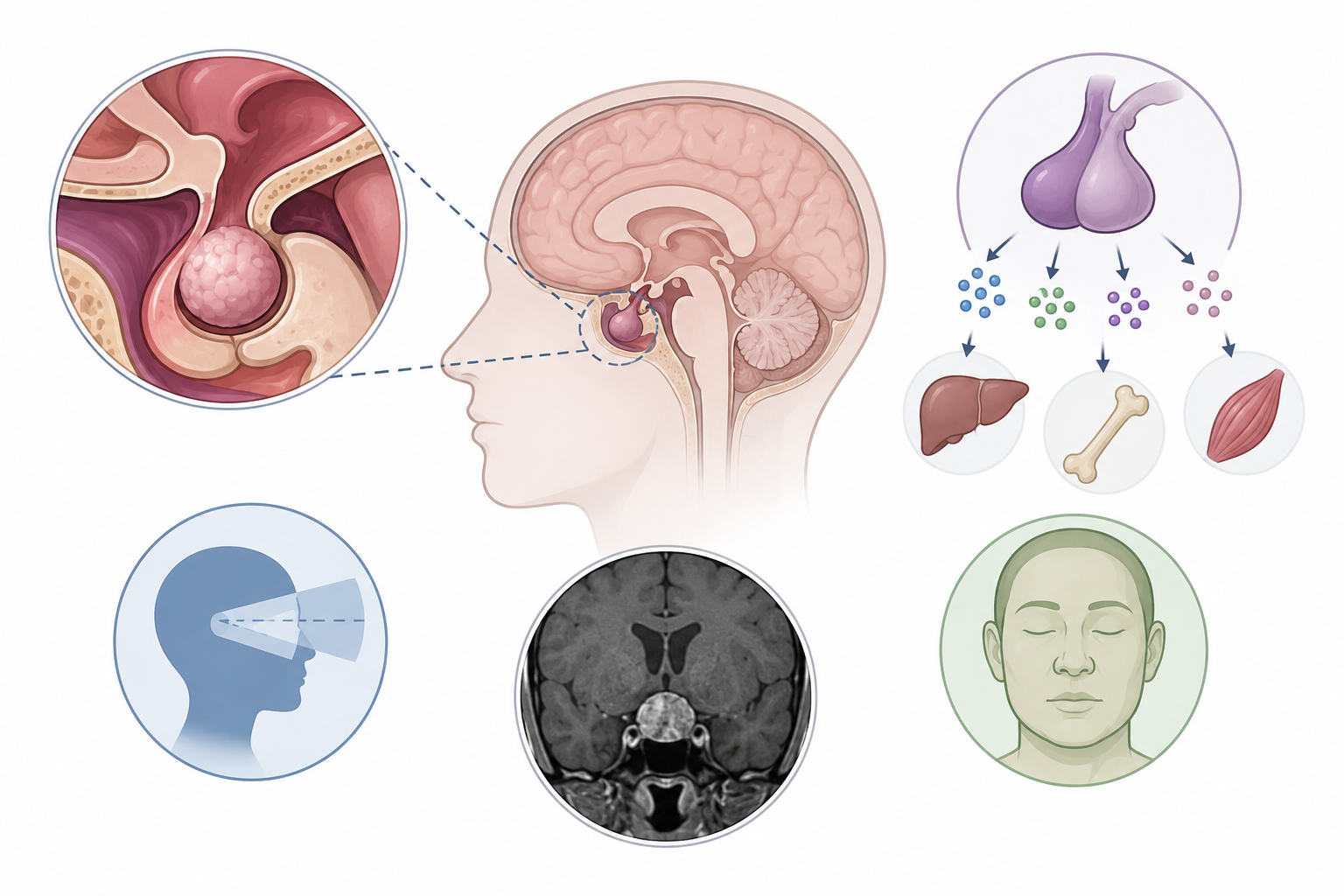
Pituitary Adenoma Management
Our work in pituitary disease has focused on evaluating the long-term value of different management strategies for growth hormone–secreting pituitary adenomas. Using decision-analytic modeling and cost-effectiveness analysis, these studies examined how treatment pathways influence patient outcomes, healthcare utilization, and resource allocation over time.
Completed projects include analyses comparing preoperative medical therapy versus primary surgical management for growth hormone–secreting pituitary adenomas, as well as evaluation of postoperative surveillance strategies following treatment. This work aimed to identify approaches that optimize disease control while supporting efficient and sustainable use of healthcare resources..

Vitamin D Supplementation for Benign Paroxysmal Positional Vertigo
Benign paroxysmal positional vertigo (BPPV) is one of the most common causes of dizziness and recurrent vertigo, contributing to reduced quality of life and frequent healthcare utilization. Our work evaluates the clinical and economic impact of vitamin D supplementation as a strategy to reduce recurrence of BPPV and improve long-term outcomes.
Using health-economic modeling and clinical trial data, this project examines whether a low-cost preventive intervention may reduce recurrent episodes, healthcare visits, and overall system burden while supporting more effective long-term management of vestibular disease.