Advanced Rhinology

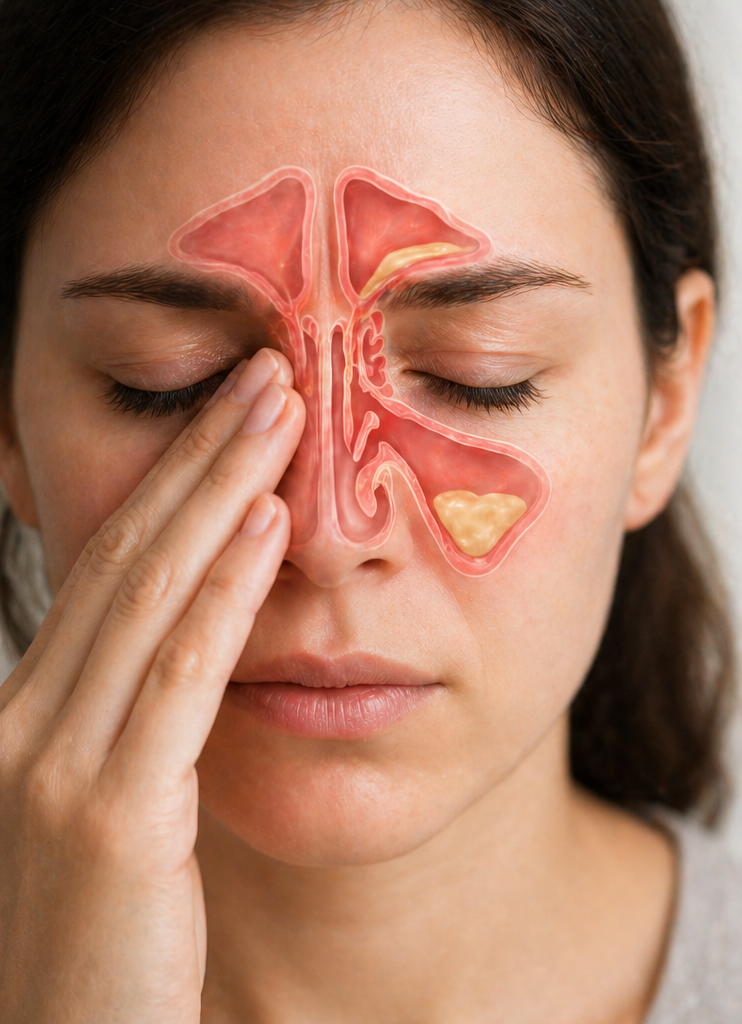
Our advanced rhinology research explores a broad spectrum of sinonasal disease, with a focus on improving care through targeted therapies and refined clinical approaches. This includes work in biologic treatments for chronic rhinosinusitis, strategies to better understand and manage olfactory dysfunction, and optimizing approaches to epistaxis management.
Across these areas, we study how different interventions influence patient experience, disease control, and healthcare use.
Biologic Therapies for Chronic Rhinosinusitis
Chronic rhinosinusitis is a common inflammatory condition that can significantly impair quality of life and often requires long-term medical and surgical management. The emergence of biologic therapies has transformed treatment options for patients with severe disease, offering new opportunities for personalized care.
Our research evaluates the effectiveness, safety, and value of biologic therapies in real-world practice. Through clinical outcomes research, comparative effectiveness studies, and health-economic analyses, we seek to identify which patients benefit most from these treatments and how biologics can be integrated into care pathways in a clinically effective and sustainable manner.
Tranexamic Acid for Epistaxis
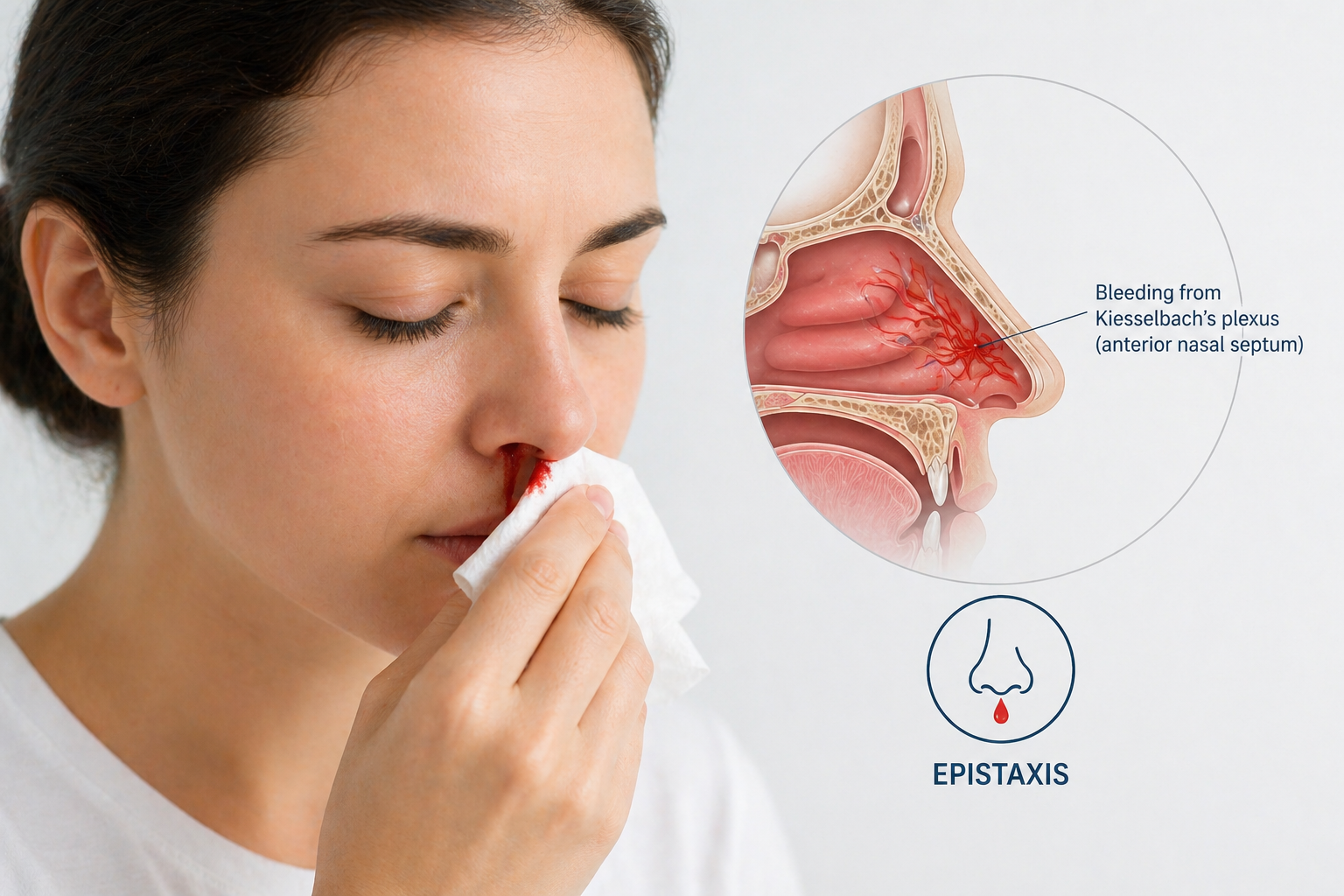
Epistaxis is one of the most common otolaryngologic emergencies, resulting in substantial healthcare utilization and variation in treatment practices. Our research evaluates the role of tranexamic acid (TXA) in the management of epistaxis, with a focus on improving bleeding control, reducing the need for nasal packing and invasive interventions, and enhancing patient experience.
Through surveys, clinical studies, and health-economic evaluation, this work seeks to identify evidence-based strategies for integrating TXA into routine care and to determine its potential to improve outcomes while reducing healthcare resource utilization.